EasyMaltose&GlucoseMeasurement

The first quick test for maltose and glucose without interference from maltotriose.
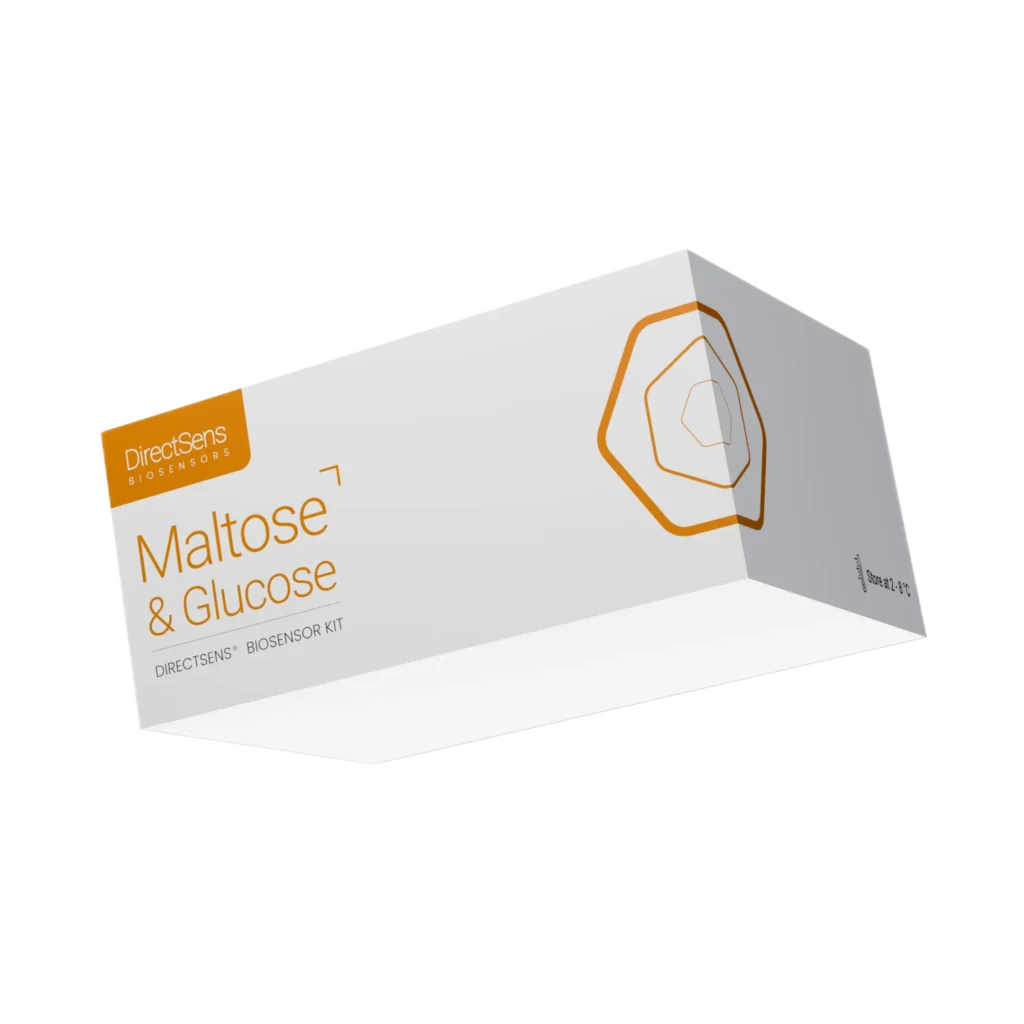
Maltose & Glucose Biosensor Kit
How it works

Key Features

Accurate

No interferences from maltotriose or other sugars.

Easy

No chemical expertise necessary.

Fast

Measuring time 12 minutes.

Versatile

Measure in the lab or in the production environment.

Setup

System Components

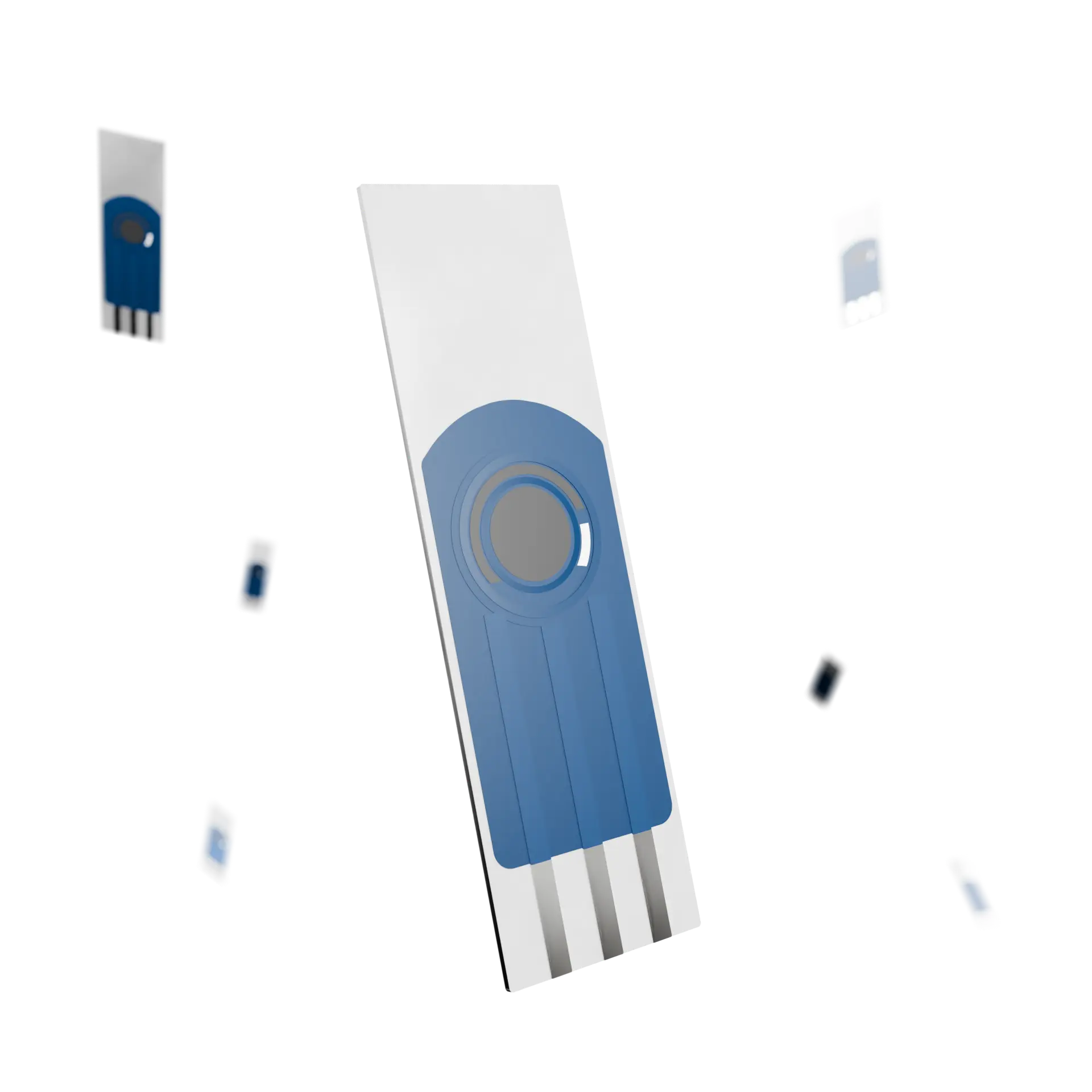
Biosensor Strip

Biosensor Strip

A factory-calibrated disposable test strip leveraging immobilized enzymes to enable highly selective detection of target molecules.

Advantage

Why choose DirectSens® Maltose & Glucose Biosensor Kit?

HPLC

High invest, high complexity, typically used in large labs with high sample throughput.

Outsourced HPLC (contract lab)

High costs, long waiting times – often three or more days.

Enzymatic test kits

Complex procedure taking > 40 minutes, results often show falsely high readings due to interference from similar sugars like maltotriose and maltotetrose.

DirectSens® Advantage

Reliable Efficiency

Low initial investment, simple workflow, and results in about 12 minutes — with no interference from similar sugars. That means faster decisions, lower costs, and accurate data you can trust.

Traditional Kits40+ min
DirectSens®12 min
Get the Kit
Process

4 Simple Steps

No calibration work, no cleaning.

Step 01

Dilute

Prepare buffer dilutions for glucose and maltose.

Step 02

Incubate

Incubate the maltose dilution (10 min. at 53 °C).

Step 03

Scan

Transfer the calibration constants with a QR scan.

Step 04

Measure

Apply maltose and glucose buffer dilutions onto two biosensor strips.

Roadmap

Multiparameter System

We designed our biosensor system for multiparameter capability. The variety of available sensor types will continuously increase over the next years.

Now

Available

  • OatSens®
  • Maltose & Glucose
  • Glucose
  • Alcohol
2026

Coming Soon

  • L-Lactic Acid
2027

Development

  • Fructose
  • Sucrose

Future

Additional parameters will be introduced based on customer needs and emerging biosensor technologies.

Hardware

Products

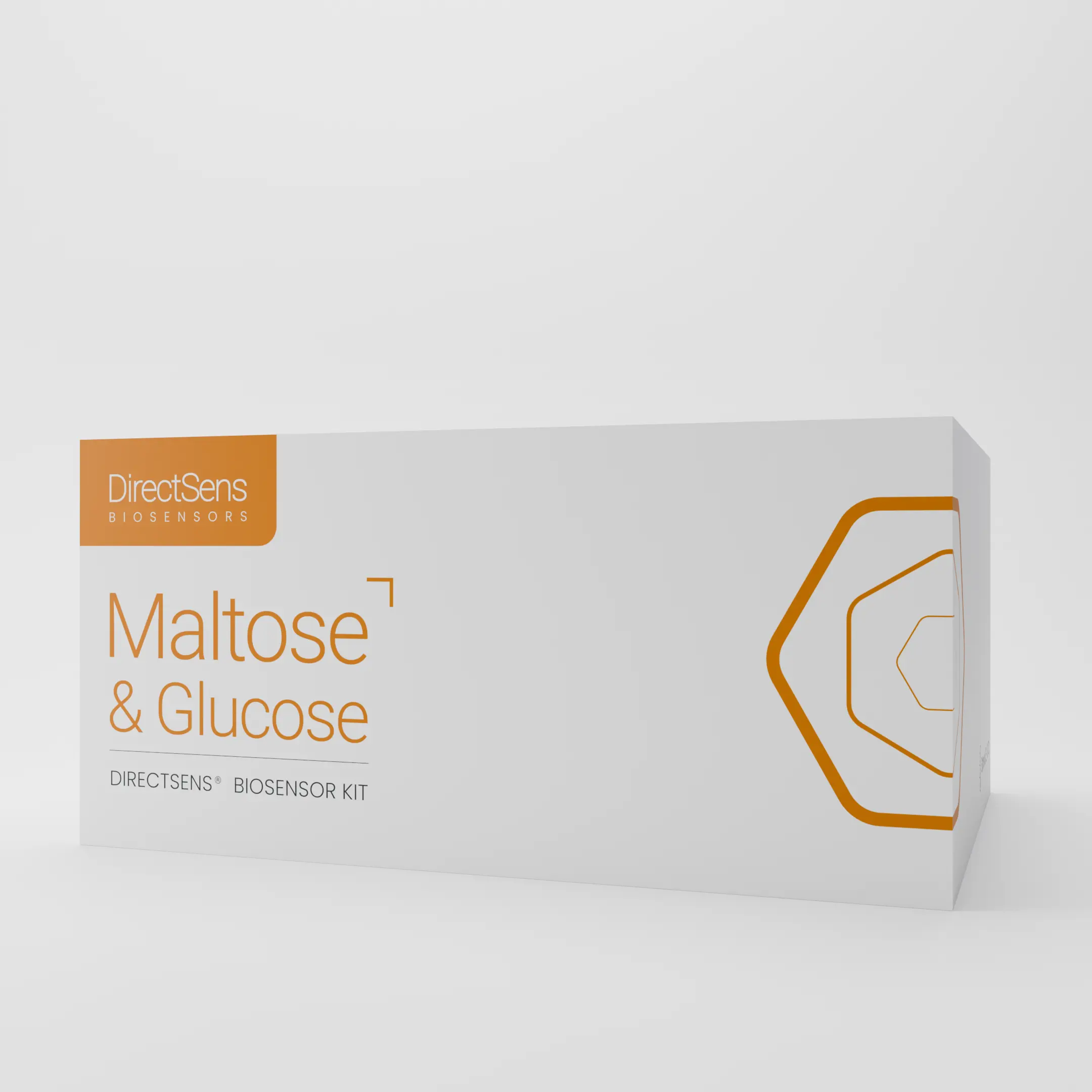
Maltose & Glucose Biosensor Kit

DirectSens®

Maltose & Glucose Biosensor Kit

Measuring Range

Maltose: 1 – 120 g/L

Glucose: 1 – 120 g/L

Applications

Oat, rice, spelt drinks and malt extracts

Included
2 x 25 Biosensor Strips
8 ml Glucose Buffer
2 x 1,6 ml Maltose Buffer
1,8 ml Control Solution
User manual
Quality assurance certificate
Technical service
Reader Kit

DirectSens®

Reader Kit

Device Type

Compact

Housing

Robust aluminum

Features

Multi parameter capability
USB data exchange
Robust aluminum housing

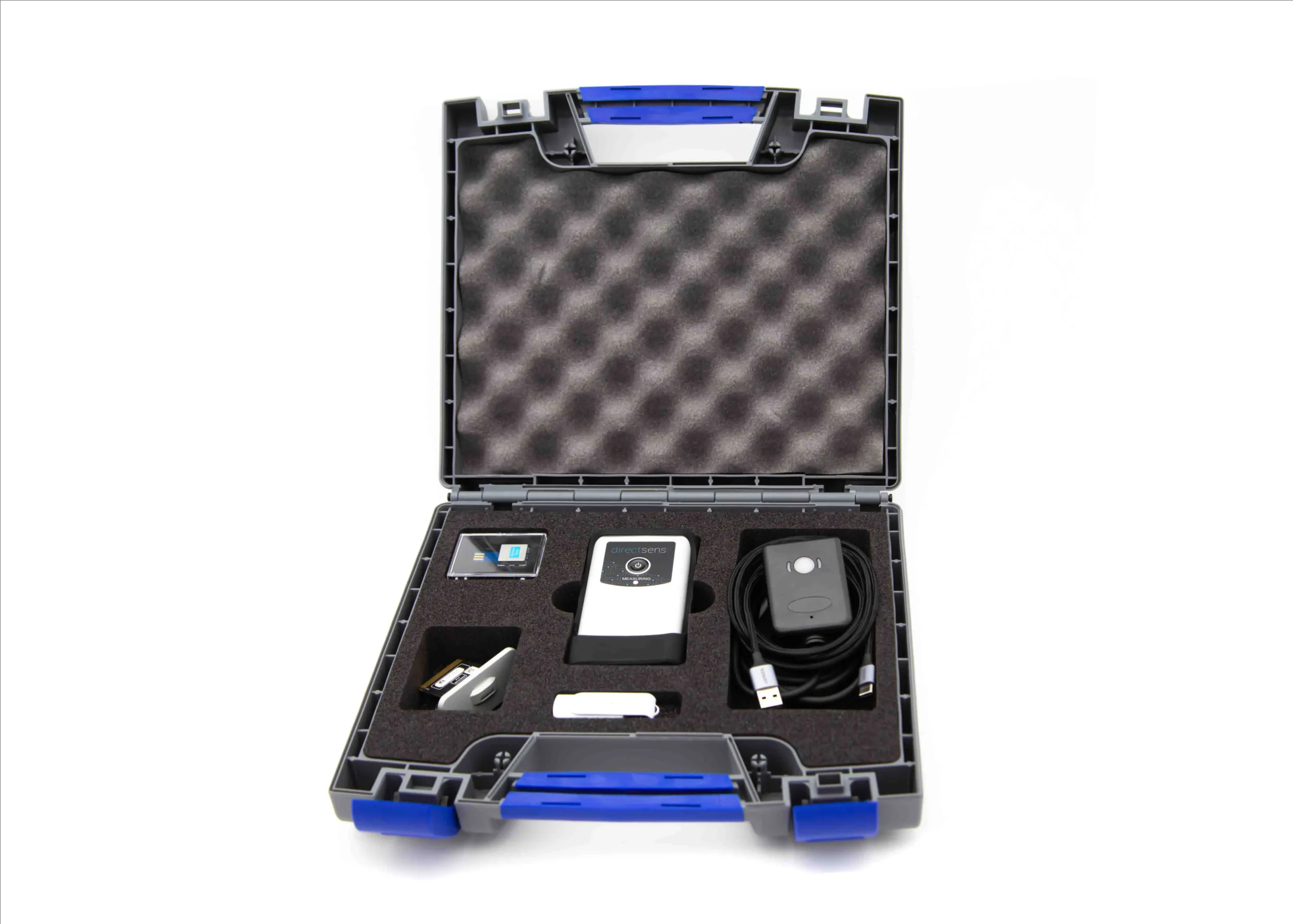
Included

Reader
USB A/C cable
Testing Device
External QR code reader
Spare Biosensor Connector
Manuals (on USB flash drive)
DirectSens® PC software (on USB flash drive)
Carrying hard case
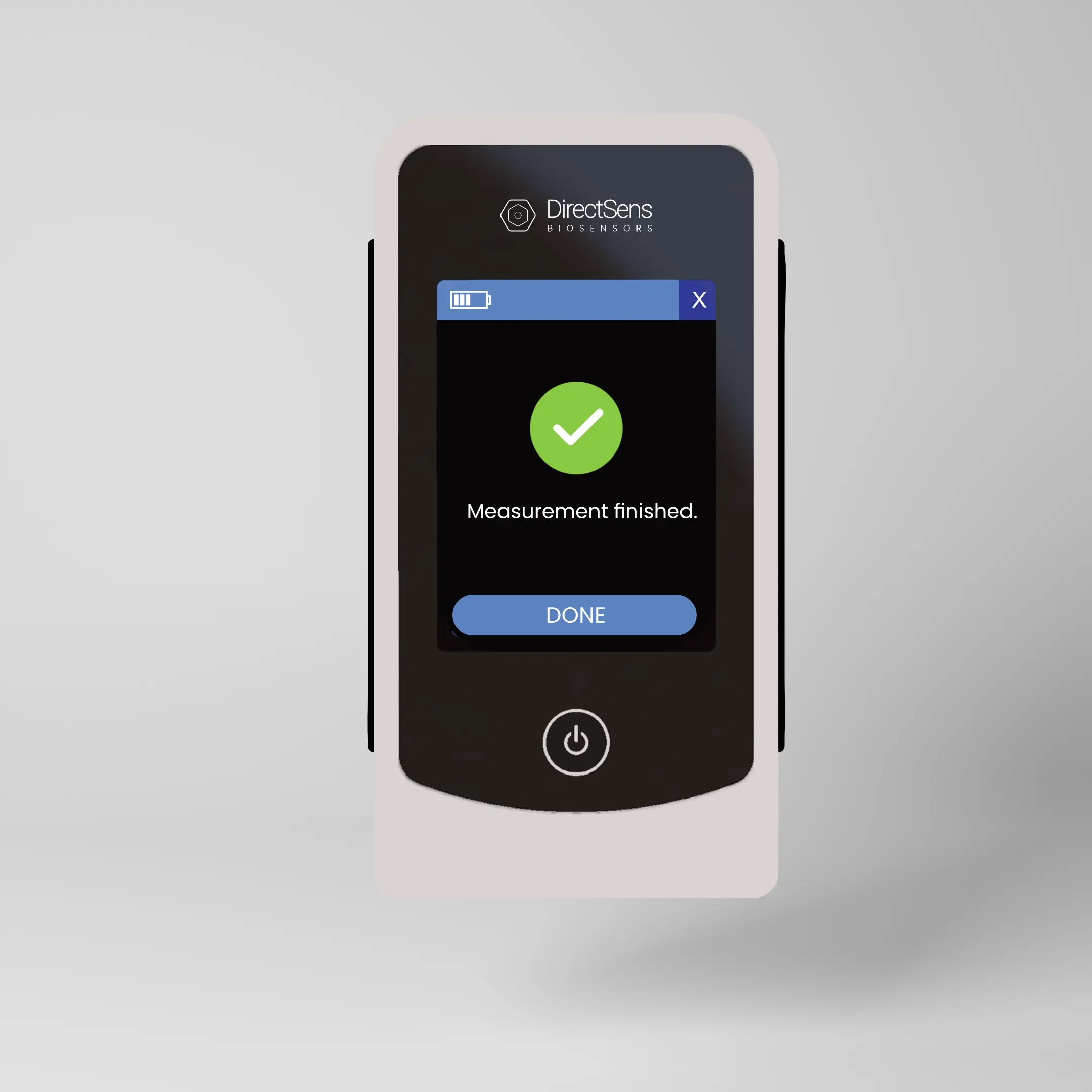
Reader T4

DirectSens®

Reader T4

Device Type

Handheld (battery)

Housing

Robust aluminum

Features

Touch screen
Intuitive software
Multi parameter capability
Integrated QR code scanner
USB

Included

Reader
USB A/C cable
Testing Device T4
Spare Biosensor Connector T4
Manual
DirectSens® PC software
Carrying soft case
features

Benefits

Solutions

Applications

During oat or rice drink production, starch molecules are enzymatically converted into short chained dextrins like maltotriose and -tetrose and finally to glucose and maltose. Glucose and maltose define the sugar content that needs to be stated on the product label as part of the nutritional information. Regular monitoring of glucose and maltose therefore is the key to ensure a consistent sweetness profile and to maintain regulatory compliance.

Capabilities

Areas of Use

Product Development

Sweetness is the most critical sensory properties of your product. DirectSens® Maltose & Glucose enables you to leverage the distinct sweetness profiles of maltose and glucose to create exceptionally tasty products.

Process Optimization

Evaluate the impact of various raw materials, enzyme dosages, and processing conditions on your production process.

Production Scale-Up

Validate the performance of new production lines as you scale up.

Batch Release

Prevent legal issues and customer complaints by ensuring that every batch of your product is in line with the nutritional information that is stated on the label.

technical data

Specifications

Measurement
Verified sample matricesOat, rice, and spelt drinks (liquid and powder), malt extracts
Measuring range glucose1 – 120 g/L
Measuring range maltose1 – 120 g/L
Repeatability st. dev. glucose≤ 4 % (or 0.24 g/L whichever is greater)
Repeatability st. dev. maltose≤ 6 % (or 0.36 g/L whichever is greater)
Reproducibility st. dev. glucose≤ 6 % (or 0.36 g/L whichever is greater)
Reproducibility st. dev. maltose≤ 8 % (or 0.48 g/L whichever is greater)
Measuring time (after stock dilution)12 min.
Minimum sample amount100 µL
Sample and ambient temperature20 – 24 °C (68 – 75 °F)
Measuring principleElectrochemical biosensor
Environmental / safety hazardsAll chemicals are water based, nontoxic, nonflammable
Shelf life of Biosensors, Buffer and Control Solution12 months at 2 – 8 °C (36 – 46 °F)
Reader T4
Dimensions125 x 65 x 32 mm (4.92 x 2.56 x 1.26 in)
HousingAnodized aluminum
Weight407 g
Display58 x 44 mm (2.28 x 1.73 in) touch screen
BatteryLi-Po rechargeable, ≈ 4-5 hrs. Lifetime
Data interfacesUSB
PC / Software
PC requirements• Windows 10 or 11
• 25 MB free hard disk space
• 1 × free USB A port
Output file formats• XLS
• CSV
• PDF
Additionally Required Materials
Eppendorfer vials, precision pipettes, pipette tips
Heat block or water bath (53 °C, 127 °F)
Laptop or PC (specifications above)
Optional: Vortex mixer

Explore Biosensing

Connect with us to discuss your analytical requirements.

Get in touch